
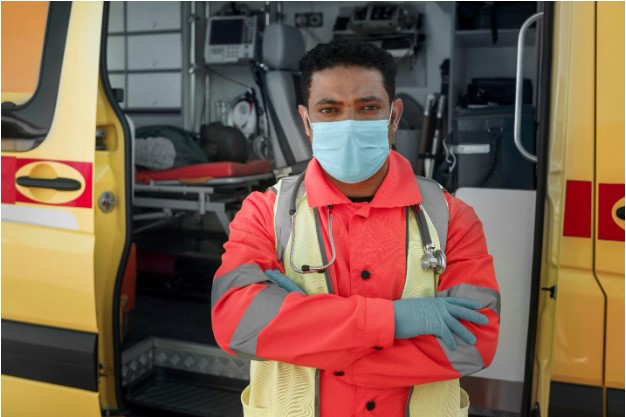

Ambulance driving is a unique task that requires much more than simply transporting patients from point A to point B. It entails a high level of proficiency, speed, and safety, which can sometimes involve life-and-death scenarios.
Therefore, if you are thinking of becoming an ambulance driver, it would be helpful to learn more about what kind of training awaits you first. An ambulance driver course aims to teach candidates how to handle their vehicle in potentially hazardous situations, as well as perform tasks related to patient transportation in the most efficient way possible.
What Exactly Does an Ambulance Driver Do
People often think that an ambulance driver’s job is merely a question of driving. However, this is only a part of the entire process, and the drivers play an essential role in the medical emergency system, providing paramedics with necessary assistance, securing the vehicle, and helping with patient transport.
This combination of responsibility and precision is what makes proper ambulance driver training so important.
What You Learn in the Course
A good ambulance driver training program encompasses more than just teaching driving skills. The course emphasizes the specific needs of the emergency vehicle. Some important topics covered include:
- Defensive and advanced driving skills, particularly those related to high-speed driving.
- Siren and emergency signal use, along with their appropriate timing and application.
- Vehicle control under difficult circumstances, such as in dense traffic or bad weather conditions.
- First aid basics, enabling drivers to provide help if required.
- Road rules and other regulations relevant to emergency vehicles.
Amidst all this preparation for your new responsibility, joining an accredited ambulance driver course will not only ensure that you meet your legal obligations but also equip you with the necessary abilities.
Who Should Consider This Path
It is perfect for people interested in careers in healthcare assistance or emergency services. It is also appropriate for individuals who perform well under stress and are able to make quick decisions.
There is no need for medical experience in most cases, but an inclination towards serving the public and ensuring their wellbeing is needed. Usually, a valid driver’s license and a good driving record are mandatory at the beginning of training.
Certification and Requirements
The requirements usually depend on the area where you live. However, most programs include both written tests and practical training. For example, passing written tests, gaining enough driving practice under supervision, and proving the ability to handle emergencies are typical requirements.
In addition, a medical examination, a criminal record check, and some additional certifications, like a first aid course, might be required in some areas.
What to Look for in a Training Program
Courses are certainly not the same. Here is what one must look for while selecting a program:
- Accredited and recognized program by the concerned authorities
- Balance between theory and practical training
- Expert teachers with industry experience
- Facilities to learn about current technology and machinery
- Well-defined criteria of assessment and certification
One must select a program that prepares him/her not just to clear the examination, but also for the practical challenges of the job.