
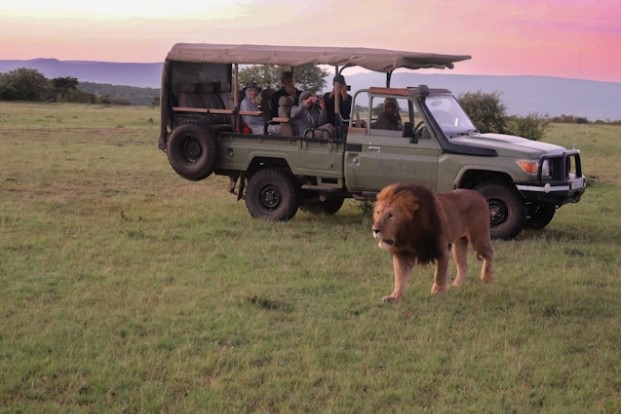

A Safari in Tanzania is widely considered one of the most rewarding travel experiences in the world. With legendary national parks, vast open landscapes, and one of the highest concentrations of wildlife in Africa, Tanzania offers an authentic safari adventure that combines natural beauty, biodiversity, and cultural depth.
From the endless plains of the Serengeti to the dramatic Ngorongoro Crater and the remote wilderness of southern Tanzania, a Safari Tanzania experience is defined by variety, quality, and unforgettable moments in the wild.
What Makes Safari Tanzania Unique?
Tanzania stands apart from other safari destinations due to its scale, conservation success, and natural spectacles. Over 25% of the country is protected land, allowing wildlife to thrive in large, unfenced ecosystems.
Key features that make Safari Tanzania exceptional include:
- World-renowned national parks and game reserves
- The largest land-based wildlife migration on Earth
- A strong balance between tourism and conservation
- Opportunities for both luxury and budget safari experiences
- Rich cultural heritage alongside wildlife exploration
Tanzania is not just a safari destination—it is a cornerstone of African wildlife preservation.
Tanzania’s Iconic Safari Destinations
Serengeti National Park
The Serengeti is the most famous safari park in Africa and a centerpiece of Safari Tanzania. Its vast grasslands stretch as far as the eye can see and support extraordinary numbers of animals.
The park is globally known for the Great Wildebeest Migration, where over two million animals move across the ecosystem in search of fresh grazing. Predator activity is intense, making the Serengeti one of the best places to witness natural wildlife behavior.
Wildlife commonly seen includes:
- Lions, cheetahs, and leopards
- Elephants and giraffes
- Wildebeest, zebras, and gazelles
The Serengeti offers excellent game viewing throughout the year.
Ngorongoro Conservation Area
The Ngorongoro Crater is one of Africa’s most unique safari locations. Formed by a collapsed volcano, the crater creates a natural enclosure where wildlife lives year-round.
This area is especially known for:
- High chances of spotting black rhinos
- Dense populations of lions
- Scenic landscapes and diverse habitats
A Safari Tanzania itinerary is incomplete without a visit to Ngorongoro, which combines wildlife viewing with geological wonder.
Tarangire National Park
Tarangire National Park is famous for its large elephant herds and iconic baobab trees. During the dry season, animals gather around the Tarangire River, creating excellent opportunities for game viewing.
Compared to more famous parks, Tarangire is quieter and offers a more relaxed safari experience while still delivering impressive wildlife encounters.

Lake Manyara National Park
Lake Manyara is a compact but diverse park, ideal for short safaris or as part of a northern circuit tour. It is known for:
- Tree-climbing lions
- Large populations of baboons
- Flamingos and abundant birdlife
The park’s changing landscapes—from forest to lake shore—add variety to a Safari Tanzania journey.
Southern Tanzania: Ruaha and Nyerere National Park
For travelers seeking remote and less crowded safaris, southern Tanzania offers vast wilderness areas.
- Ruaha National Park is known for large predator populations and rugged landscapes
- Nyerere National Park (formerly Selous) offers boat safaris and walking safaris in a pristine setting
These parks provide a more exclusive and adventurous Safari Tanzania experience.
Wildlife Encounters on a Safari Tanzania
Tanzania hosts one of the richest wildlife populations in Africa. A typical safari can include sightings of:
- The Big Five: lion, elephant, buffalo, leopard, rhinoceros
- Cheetahs and African wild dogs
- Hippos and crocodiles in rivers
- Hundreds of bird species, from eagles to flamingos
The diversity of habitats ensures varied wildlife sightings across different regions of the country.
Types of Safari Experiences in Tanzania
Classic Game Drives
Game drives are the foundation of Safari Tanzania. Conducted in open-roof 4×4 vehicles, these drives allow close observation of animals while maintaining safety and respect for wildlife.
Walking Safaris
Available in selected parks, walking safaris offer a deeper connection with nature. Guided by trained rangers, guests learn about animal tracks, plants, and ecosystems.
Hot Air Balloon Safaris
Balloon safaris over the Serengeti provide a unique perspective of wildlife and landscapes at sunrise, followed by a traditional bush breakfast.
Cultural Experiences
Tanzania is home to diverse ethnic groups, including the Maasai. Cultural visits offer insight into traditional lifestyles, adding depth and context to a Safari Tanzania adventure.

Best Time to Go on Safari in Tanzania
Safari Tanzania is a year-round destination, but seasons affect wildlife movements and scenery.
Dry Season (June–October)
- Best for wildlife visibility
- Ideal for migration river crossings
- Cooler temperatures
Green Season (November–March)
- Lush landscapes and fewer tourists
- Excellent birdwatching
- Calving season in the southern Serengeti
Each season offers unique highlights, making Tanzania flexible for different travel goals.
Safari Accommodation Options
Tanzania offers accommodation to suit every travel style:
- Luxury safari lodges with premium amenities
- Tented camps that provide comfort close to nature
- Mid-range lodges ideal for families
- Budget camps for adventurous travelers
Most lodges focus on sustainability and environmental responsibility.
Responsible Tourism and Conservation
Safari Tanzania plays a vital role in wildlife conservation and community development. Tourism revenue supports national parks, anti-poaching efforts, and local communities.
Responsible travelers are encouraged to:
- Follow park rules and respect wildlife
- Support eco-conscious lodges
- Engage with local communities ethically
Sustainable tourism ensures long-term protection of Tanzania’s natural heritage.
Conclusion: The Lasting Impact of Safari Tanzania
A Safari in Tanzania is more than a travel experience—it is an immersion into one of the world’s most remarkable natural environments. With iconic wildlife, diverse landscapes, and a deep commitment to conservation, Tanzania consistently ranks among the best safari destinations on Earth.
Whether you are witnessing the Great Migration, exploring ancient volcanic craters, or enjoying quiet moments in remote wilderness, Safari Tanzania delivers memories that last a lifetime. It is a destination that captures the true spirit of Africa.
Key Takeaways
- Safari Tanzania offers world-class wildlife and landscapes
- Home to the Serengeti, Ngorongoro Crater, and diverse ecosystems
- Suitable for first-time and experienced safari travelers
- Wide range of safari styles and accommodation options
- Strong emphasis on conservation and sustainability
Frequently Asked Questions (FAQ)
1. Is Safari Tanzania suitable for beginners?
Yes. Tanzania is ideal for first-time safari travelers due to excellent infrastructure and experienced guides.
2. How many days are ideal for a Tanzania safari?
A well-paced safari typically lasts between 5 and 10 days.
3. Is Tanzania safe for safari tourism?
Yes. Safaris are well regulated, and guides are professionally trained.
4. What should travelers pack for Safari Tanzania?
Neutral clothing, comfortable shoes, sunscreen, a hat, binoculars, and a camera are recommended.
5. Can Safari Tanzania be combined with other activities?
Yes. Many visitors combine a safari with Zanzibar beaches or Mount Kilimanjaro trekking.