
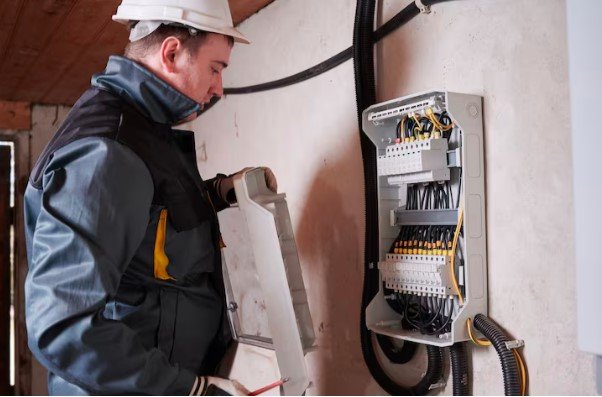

When everything works perfectly, old electrical wiring is easy to overlook. The lights are on, outlets are working, and appliances are operating normally; it may seem there is no need to investigate further. The issue is that the deterioration of aging wiring can happen behind walls and ceilings without anyone realizing it or becoming aware of it.
Understanding common indications can allow homeowners to recognize when it is time to call a professional to help with the issue instead of waiting for a more severe electrical issue to arise.
Know the Age and History of Your Wiring
The first question to ask is the age of the electrical system at home. Modern fixtures and outlets can be installed in a home, but the older wiring might remain in place behind the walls.
If you are a new home buyer who has bought an older house, determine if the previous owner has upgraded the electrical system. Renovation records, permits, and electrical inspection reports may offer helpful hints.
If the wiring history is not known, then a professional inspection will be able to find outdated parts and decide if they need to be enhanced.
Monitor for Signs of Aging Wiring
Some of these warning signs are not to be taken lightly as just being quirky for an older home. Electrical issues can manifest as flickering light bulbs, often tripped circuit breakers, buzzing outlets, warm electrical outlets or switches, burning smells, or colored electrical receptacles.
Loose or broken outlets are another potential cause to check. Other signs that homeowners may notice include certain appliances making the lights dim or the circuits tripping.
When Knob and Tube Replacement Makes Sense
Knob and tube replacement can be considered if the existing wiring has been damaged, deteriorates with age, was not installed correctly, or is no longer feasible for the home’s electrical system.
Replacement can also be a factor to consider during a big renovation. When walls and ceilings are torn down, it may be a chance to install new wiring before it gets to the point where access is difficult or prohibited with new finishes.
The easiest way to decide if selective repairs or a complete replacement is needed is to have a professional opinion.
Don’t Attempt Electrical Repairs Yourself
When evaluating old wiring, it can sometimes be hard to determine the condition of the wiring because it is not always apparent. Any attempt to alter an existing circuit without a full understanding of the system could present serious hazards, as can the removal of insulation or a change in connections.
A trained residential electrician will have the skills and tools to check circuits, recognize unsafe situations, and advise on the work that needs to be done to remedy the situation.
Plan an Inspection Before Problems Escalate
The ideal moment to explore aged wiring is prior to when a little warning becomes a big repair. An inspection allows the homeowner to become familiar with what is there, whether there are any risks, or if there are any priorities.
Don’t rush to replace all parts; seek a clear understanding of the condition of the system and the rationale for any proposed work. This allows for more convenience in planning the repairs based on safety, budget plan, and future electrical requirements.